
Why Is My Cat Always Hungry?
Causes, Solutions & When to Worry
Quick Answer: Why Is My Cat Always Hungry?
Cats often act constantly hungry due to low-quality food, inconsistent feeding routines, boredom, learned behavior, or underlying health issues.
In many cases, your cat is not truly starving—
👉 they are responding to how they are fed, what they are fed, and how mentally stimulated they are.
⚠️ If hunger is sudden, extreme, or paired with weight loss or behavior changes, it may signal a medical issue that should not be ignored.
The Real Reasons
Your Cat Always Seems Hungry
Understanding the cause is the only way to fix the behavior.
1) The Food Isn’t Keeping Them Full
Not all cat food creates the same level of fullness.
Cats need:
High animal-based protein
Moderate healthy fats
Minimal fillers (corn, wheat, soy)
👉 Lower-quality food digests quickly, leading to frequent hunger signals and repeated begging
2) Feeding Routine Is Creating Hunger Cycles
Cats rely heavily on predictability.
If feeding is:
Inconsistent
Too spaced out
Poorly portioned
👉 Your cat can stay stuck in a constant food-seeking loop
3) Boredom Is Being Mistaken for Hunger
This is one of the most overlooked causes.
Indoor cats often:
Seek stimulation
Associate you with food
Use begging as interaction
👉 This is not true hunger—it’s mental understimulation
4) Learned Behavior (Accidentally Reinforced)
If begging leads to:
Food
Treats
Attention
👉 Your cat learns that begging works
This quickly turns into constant “hunger” behavior
5) Medical Causes You Should Never Ignore
Sometimes increased hunger is a warning sign—not a habit.
Watch for:
Weight loss despite eating
Increased thirst
Vomiting or digestive issues
Hyperactivity
👉 Possible conditions include:
Parasites (worms)
Hyperthyroidism
Diabetes
⚠️ When to Worry About Your Cat’s Hunger
👉 Take action if you notice:
Sudden appetite increase
Aggressive or frantic eating
Weight loss with increased intake
Constant vocalization
Behavior or litter box changes
⚠️ These are not normal patterns—they often indicate a deeper issue
🧪 Behavioral vs Medical Hunger (How to Tell)
Likely Behavioral
Happens at specific times
Improves with routine changes
Weight remains stable
Stops with distraction
Possible Medical
Constant and never satisfied
Weight loss present
Other symptoms appear
Sudden onset
👉 When unsure, always rule out medical causes first
🛠️ How to Fix Constant Hunger
(What Actually Works)
1) Upgrade Food Quality First
This is the biggest lever.
Look for:
Real meat as the first ingredient
High protein content
Low filler content
👉 Better food = longer-lasting fullness and fewer hunger spikes
👉 You can explore higher-protein options here
2) Fix the Feeding Schedule
Structure reduces anxiety-driven hunger.
Best approach:
2–3 meals per day
Same times daily
Measured portions
👉 Consistency helps regulate appetite and behavior
3) Add Daily Play Before Meals
This is one of the most effective fixes—and most ignored.
Use:
Interactive toys
Short hunting-style play sessions
👉 This follows your cat’s natural cycle:
hunt → eat → relax
4) Slow Down Fast Eating
Fast eaters often feel hungry again quickly.
Helpful tools:
Puzzle feeders
Slow-feed bowls
👉 These extend eating time and increase satisfaction
Explore options here
5) Use Automatic Feeders for Structure
If your cat:
Wakes you early
Begs constantly
Fixates on you for food
👉 Automated feeding removes inconsistency and reduces demand behavior
Most Cat Owners Accidentally Make This Worse
Many owners unintentionally reinforce the problem by:
Feeding every time the cat begs
Overusing treats
Skipping structured play
Using low-satiety food
👉 This creates a cycle:
Hunger → Begging → Reward → More Begging
Breaking this cycle is critical.
Simple Tools That Support Better Feeding Behavior
Used correctly, these tools help reinforce structure:
Puzzle feeders → mental stimulation + slower eating
Timed feeders → consistent routines
High-protein food → better satiety
👉 These should support your system—not replace it
❓ Frequently Asked Questions
Why does my cat act like it’s starving all the time?
Usually due to food quality, routine issues, or learned behavior, not true starvation.
Can worms make my cat constantly hungry?
Yes. Parasites absorb nutrients, making your cat feel hungry even after eating.
Why is my cat always hungry but losing weight?
This is a serious warning sign and may indicate
Hyperthyroidism or Diabetes.
👉 A vet visit is strongly recommended.
How many times a day should I feed my cat?
Most adult cats do best with 2–3 structured meals per day.
Should I ignore my cat when it begs for food?
If medical causes are ruled out, yes—
👉 but replace it with consistent feeding and daily play
🛒 Top Picks for Keeping Cats Full Longer
These options are commonly used to help reduce constant hunger by improving satiety, feeding structure, and eating behavior.
🥇 High-Protein Dry Cat Food (For Lasting Fullness)
High-protein formulas help cats stay satisfied longer between meals by slowing digestion and stabilizing energy.
👉 Explore high-protein options
🥈 High-Protein Wet Cat Food (For Appetite Control)
Wet food increases meal volume and can help reduce begging by making cats feel fuller after eating.
🥉 Puzzle Feeders (For Slower, More Satisfying Eating)
Puzzle feeders extend mealtime and add mental stimulation, which helps reduce hunger-driven behavior.
🤖 Automatic Feeders (For Consistent Feeding Schedules)
Automatic feeders help remove inconsistency and reduce begging by delivering meals at the same times every day.
🔗 Related Guides on Cat Lovers Junction
👉 Cat Nutrition & Feeding Guide
👉 How Much Should You Feed a Cat?
👉 Cat Behavior Problems & Solutions
👉 Interactive Play & Mental Stimulation
👉 When to Contact a Veterinarian
Final Takeaway
If your cat always seems hungry, the problem is rarely simple hunger.
👉 It usually comes down to:
Food quality
Feeding structure
Mental stimulation
Or an underlying health issue
Fix those—and the behavior almost always improves.
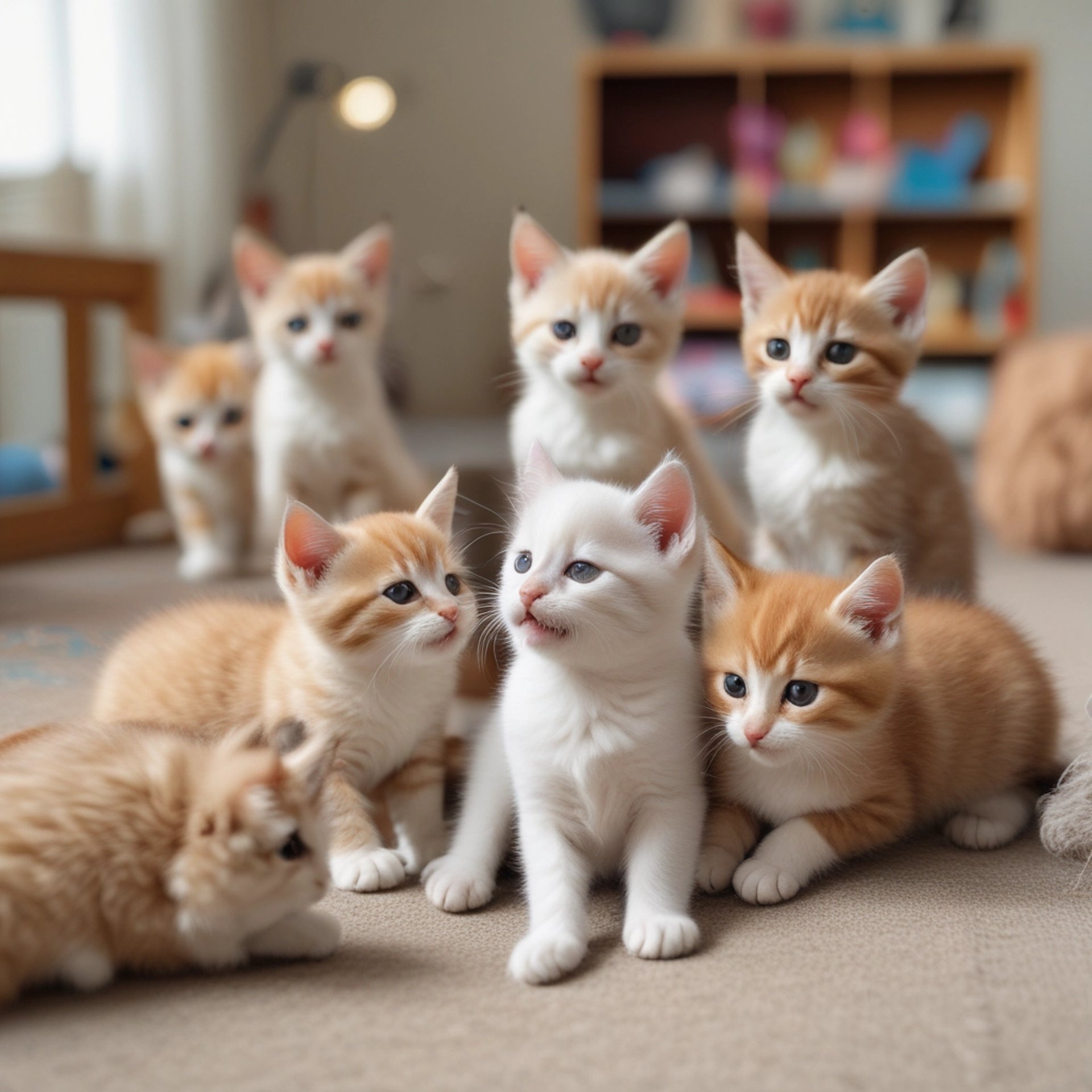
Sharing our love and knowledge about cats.
© 2025. All rights reserved.
Contact us at happycatloversjunction@gmail.com
As an Amazon Associate, I earn from qualifying purchases