INTERACTIVE PLAY ROUTINES
THAT BURN ENERGY SAFELY
How to Use Structured Play to Reduce Boredom,
Stress, and Behavior Problems
Interactive play is one of the most effective ways to support a cat’s physical health, mental well-being, and behavior. Cats are natural hunters, and when that instinct has no appropriate outlet, excess energy often shows up as zoomies, play biting, nighttime activity, or destructive behavior.
Structured interactive play routines allow cats to burn energy safely while reinforcing healthy movement patterns and predictable daily rhythms. When play is consistent, intentional, and matched to a cat’s instincts, it becomes a powerful tool for reducing stress and preventing behavior issues before they start.
This guide explains how interactive play works for cats, how to structure safe and effective play sessions,
and how to build routines that support calm behavior and long-term wellness.
FEATURED SUMMARY: INTERACTIVE PLAY FOR CATS
Interactive play routines burn energy safely by mimicking a cat’s natural hunting sequence through stalking, chasing, pouncing, and capturing. Structured play sessions using wand toys, movement variation, and predictable timing help reduce boredom, stress, and destructive behavior while supporting healthy exercise, confidence, and emotional balance in cats.
HOW THIS GUIDE FITS INTO CAT TRAINING,
PLAY & MENTAL STIMULATION
Interactive play is a core pillar of healthy cat behavior. This page focuses specifically on movement-based engagement
—how cats release energy, practice hunting skills, and regulate arousal through play.
Within the Cat Training, Play & Mental Stimulation framework, interactive play works alongside:
• Trick and skill-based training
• Clicker and marker learning
• Mental challenges and puzzle activities
• Confidence-building routines for indoor cats
Together, these approaches help cats stay physically active, mentally satisfied, and emotionally regulated.
WHY INTERACTIVE PLAY IS ESSENTIAL FOR CATS
Cats are obligate hunters by nature. Even well-fed indoor cats retain strong instincts to stalk, chase, and capture moving targets.
When these instincts are not exercised, frustration builds.
Interactive play provides:
• A safe outlet for hunting behavior
• Physical exercise that supports muscle tone and joint health
• Mental stimulation that prevents boredom
• Stress relief through predictable routines
• Reduced likelihood of problem behaviors
Cats that receive daily interactive play are often calmer, more confident, and more socially engaged.
WHAT MAKES PLAY “INTERACTIVE”?
Interactive play requires active participation from the human.
Unlike solo toys, interactive play involves movement that responds to the cat’s behavior.
Key characteristics of interactive play include:
• Unpredictable motion that mimics prey
• Engagement between cat and handler
• Clear beginning and end to the session
• Opportunities for chasing, pouncing, and capturing
The goal is not constant motion, but intentional movement that encourages natural hunting sequences.
THE CAT HUNTING SEQUENCE
AND WHY IT MATTERS
Effective play follows the natural feline hunting pattern:
Watch and stalk
Chase
Pounce
Capture
Cool down and rest
Play routines that skip steps—such as nonstop fast movement without pauses—can overstimulate cats and increase frustration.
Incorporating pauses and varied speed allows cats to regulate energy safely.
CHOOSING SAFE
AND EFFECTIVE INTERACTIVE TOYS
The best interactive toys encourage chasing and pouncing while keeping hands and feet out of reach.
WAND TOYS
Wand toys are widely used because they allow distance between hands and claws while creating lifelike movement.
Feather wands, ribbon toys, and flexible rod designs are commonly used for interactive play:
Rotate wand attachments to prevent boredom.
CHASE AND FLOOR-BASED TOYS
Some cats prefer ground-level play that mimics small prey. Lightweight toys that slide or dart across the floor work well when moved intentionally.
Avoid toys small enough to swallow or those with loose parts.
WHAT TO AVOID
• Using hands or feet as toys
• Laser pointers without a physical “capture” at the end
• Leaving wand toys unattended
• Overly rough or frantic motion
Laser toys can be used occasionally, but always end sessions by transitioning to a tangible toy or treat to complete the hunting cycle.
HOW TO STRUCTURE A SAFE PLAY SESSION
A good interactive play session is intentional, not chaotic.
SESSION LENGTH AND TIMING
Most cats benefit from one to three interactive play sessions per day.
Each session should last 5–15 minutes depending on age, health, and energy level.
Shorter, focused sessions are more effective than long, exhausting ones.
START SLOW, THEN BUILD
Begin with slow, subtle movements to encourage stalking. Gradually increase speed as your cat becomes engaged.
Pause periodically to allow observation and anticipation.
This pattern prevents overstimulation and supports safe muscle use.
END WITH A CALM FINISH
Always end play with a clear finish. Allow your cat to “catch” the toy, then provide a small reward or meal.
This signals completion and helps prevent post-play agitation.
PLAY ROUTINES FOR DIFFERENT ENERGY LEVELS
HIGH-ENERGY CATS)
High-energy cats benefit from multiple daily sessions with varied movement patterns.
Incorporate vertical movement, turns, and obstacles to increase challenge safely.
LOW-ENERGY OR SENIOR CATS
Slower, ground-level play with gentle movement works best. Focus on short sessions and frequent breaks.
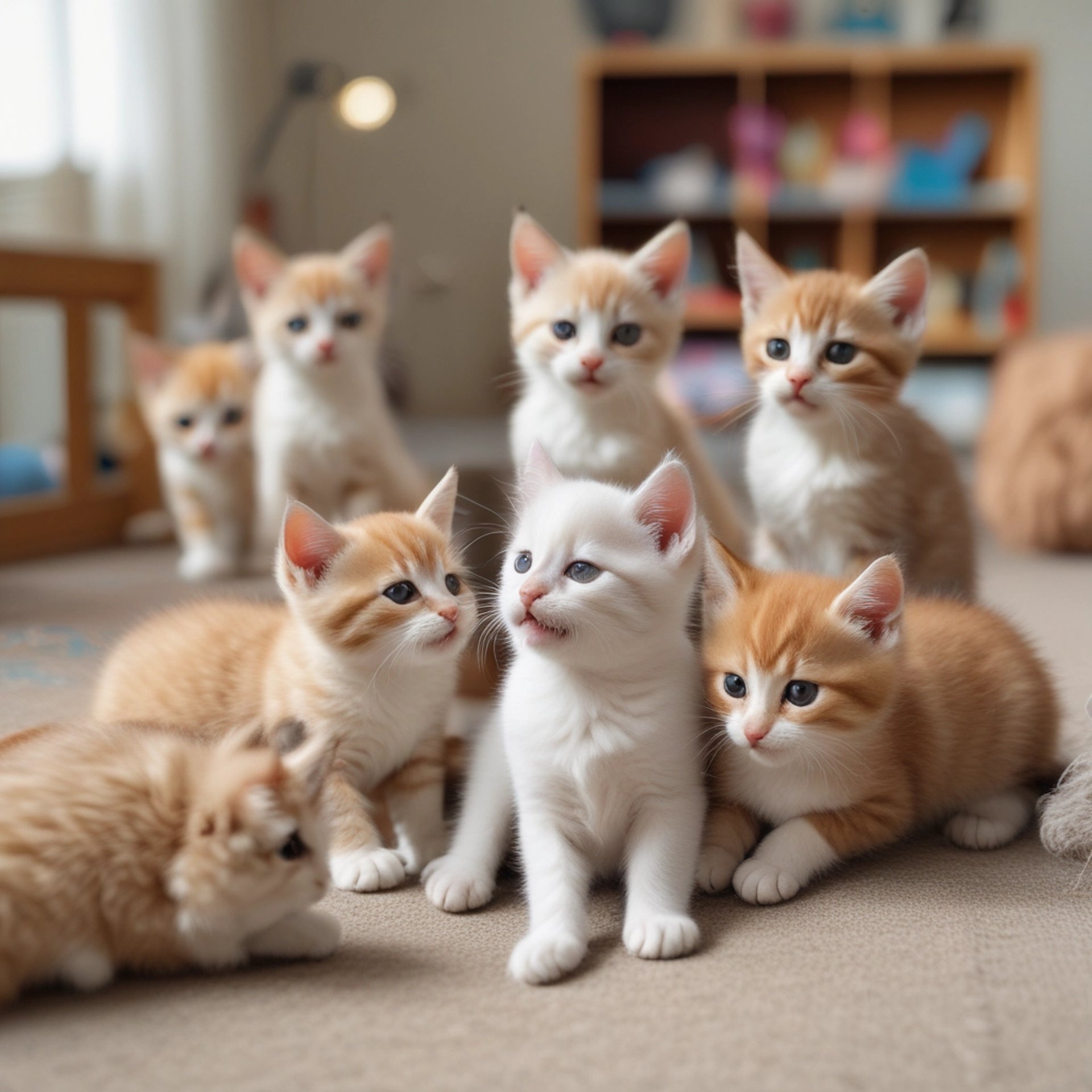
KITTENS
Kittens need frequent play but short durations. Avoid overstimulation and stop before fatigue.
PLAY AS A BEHAVIOR MANAGEMENT TOOL
Interactive play can reduce:
• Nighttime zoomies
• Play biting and rough play
• Excessive vocalization
• Attention-seeking behaviors
• Stress in multi-cat homes
Predictable play routines help cats anticipate activity, reducing anxiety and impulsive behavior.
COMMON PLAY MISTAKES
• Playing only when problems occur
• Using inconsistent timing
• Overstimulating fast movement
• Ending sessions abruptly
• Ignoring individual preferences
Consistency matters more than intensity.
SUPPORTING PLAY WITH ENVIRONMENTAL SETUP
Interactive play works best when combined with a supportive environment.
Vertical space expands play opportunities and supports joint health when used appropriately.
READY TO BUILD A COMPLETE TRAINING ROUTINE?
Interactive play works best when paired with structured learning and mental challenges.
Many cats benefit from combining physical play with training that teaches focus and impulse control.
→ Explore our Cat Training, Play & Mental Stimulation guide
This pillar explains how play, training, and mental engagement work together to support calm, confident behavior.
FAQ:
INTERACTIVE PLAY FOR CATS
How often should I play with my cat?
Most cats benefit from daily interactive play, ideally one to three sessions.
Can interactive play replace outdoor access?
For indoor cats, structured play helps meet physical and mental needs safely.
Is rough play bad for cats?
Play should never involve hands or cause fear. Safe play is controlled and predictable.
Why does my cat bite after play?
This often indicates overstimulation or incomplete play routines. Shorter sessions with calm endings help.
FINAL THOUGHTS
Interactive play is not just entertainment. It is a fundamental part of a cat’s behavioral and emotional health. When play routines are structured, safe, and consistent, cats are better able to release energy, regulate stress, and engage calmly with their environment.
By honoring natural instincts and building predictable routines, interactive play becomes one of the most powerful tools
for preventing behavior problems and supporting a balanced, healthy cat.
Sharing our love and knowledge about cats.
© 2026. All rights reserved.