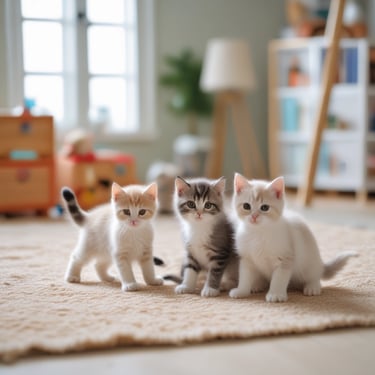
Litter Boxes, Liners & Hygiene Tools
(Complete Guide for Clean, Low-Stress Cat Care)
Quick Answer: Litter Boxes, Liners & Hygiene Tools
The right litter box setup combines a properly sized box, optional liners, and simple hygiene tools like mats and scoops. Cats prefer clean, accessible spaces, and poor setup is one of the most common reasons for litter box problems. Daily maintenance and the right tools reduce odor, tracking, and avoidance behavior.
Why Litter Box Tools Matter More Than Most Owners Realize
Litter box issues are rarely behavior problems—they are usually setup problems.
Cats depend on:
Clean, odor-free surfaces
Easy entry and exit
Enough space to turn and dig
Quiet, predictable placement
When any of these break down, cats often avoid the box entirely.
That’s why your setup should always include:
A properly sized litter box
Optional liners (if tolerated)
Supporting hygiene tools
🧱 Types of Litter Boxes
(Foundation of the System)
1)Open Litter Boxes (Most Reliable)
Open boxes are the most widely accepted and reliable option for most cats.
➡️ Explore large open litter boxes:
Why they work:
Easy to clean and monitor
No trapped odors
Allows natural movement
👉 Best for: most households, multi-cat homes, behavior issues
2)High-Sided / Scatter Control Boxes
High-sided boxes help contain mess and reduce cleanup.
➡️ Browse high-sided litter boxes:
Why they work:
Reduces litter scatter
Helps with “high pee” cats
Keeps surrounding floors cleaner
👉 Best for: messy cats, larger breeds
3)Top-Entry & Enclosed Litter Boxes
These designs help control tracking but are not ideal for every cat.
➡️ See top-entry litter boxes:
Why they work:
Reduces tracking
Adds privacy
Contains litter inside
⚠️ Use carefully:
Some cats dislike enclosed spaces or struggle with access
Self-Cleaning Litter Boxes
Automatic boxes reduce daily scooping and help maintain consistent cleanliness.
➡️ View self-cleaning litter boxes:
Why they work:
Keeps box consistently clean
Reduces odor buildup
Less daily effort
👉 Best for: busy households, odor control
Proper Litter Box Setup: Key Rules Every Cat Owner Should Follow
Use 1 box per cat + 1 extra
Box should be 1.5× your cat’s body length
Place in quiet, low-traffic areas
Scoop at least once daily
🧼 Litter Box Liners (Optional)
Liners can simplify cleaning—but only if your cat tolerates them.
1)When Liners Help
Prevent waste from sticking
Make full litter changes faster
Reduce scrubbing
2)When Liners Might Cause Problems
Cats may tear them
Noise/texture may cause avoidance
3)Recommended Liner Options
➡️ Browse heavy-duty litter liners:
➡️ View drawstring litter liners:
💡 CLJ Tip:
If your cat scratches or avoids liners → remove them immediately
🧹 Hygiene Tools
(Biggest Impact on Cleanliness)
These tools make the largest difference in odor control and daily maintenance.
1)Litter Mats (Reduce Tracking)
Why they work:
Capture litter from paws
Keep floors clean
Reduce litter spread throughout the home
2)Litter Scoops (Daily Essential)
➡️ Find durable litter scoops:
Why they matter:
Enables quick daily cleaning
Prevents odor buildup
Keeps litter usable longer
3)Odor Control Tools
➡️ Explore litter deodorizer options:
Common options:
Baking soda additives
Carbon filters
Low-scent deodorizers
4)Cleaning Supplies
➡️ View litter box cleaning sprays:
Used for:
Deep cleaning the box
Removing odor buildup
Maintaining hygiene long-term
🧠 What to Look For When Purchasing a Litter Box (Buying Criteria)
✔ Size & Space
Bigger is almost always better
✔ Ease of Cleaning
Smooth surfaces and simple designs
✔ Odor Control
Daily cleaning > covered boxes
✔ Cat Preference
Always adjust based on your cat’s behavior
⚠️ Common Mistakes to Avoid
Using boxes that are too small
Skipping daily scooping
Placing boxes in noisy areas
Using strong artificial scents
Ignoring early signs of avoidance
🩺 When to Adjust Your Setup
Make changes if you notice:
Accidents outside the box
Sudden refusal to use the box
Strong odor despite cleaning
Excessive litter tracking
These are early warning signs—not behavior problems.
🔗Explore more essential guides:
Final Takeaway
A well-designed litter box system is one of the most important parts of cat care.
When you combine:
The right litter box
Smart use of liners (if needed)
Simple hygiene tools
…you create a system that supports clean habits, low stress, and long-term success.
That’s how you prevent litter box problems before they start.
Sharing our love and knowledge about cats.
© 2025. All rights reserved.
Contact us at info@catloversjunction.com
As an Amazon Associate, I earn from qualifying purchases